Modern work culture has shifted dramatically in the past few decades. With the rise of technology and remote work, more people than ever spend the majority of their day sitting at a desk, staring at screens, and juggling digital tasks. While this has made certain aspects of work more efficient and connected, it has also given rise to a silent health crisis: the sedentary lifestyle. Many office workers now spend eight to ten hours a day seated, often with little movement, leading to issues like poor posture, chronic back pain, fatigue, and even long-term cardiovascular and metabolic problems. Staying healthy while working a desk job is not simply a matter of willpower—it requires awareness, deliberate habits, and a holistic approach to both body and mind.
The Hidden Costs of Sitting
The human body was not designed for prolonged sitting. Biologically, we are meant to move, stretch, and engage in physical activity throughout the day. When we spend hours at a desk, several physiological changes occur that can impact health over time. Metabolism slows, blood circulation decreases, and muscles—especially in the back, hips, and legs—begin to weaken. Researchers have even coined the phrase “sitting is the new smoking” to describe the range of health risks associated with extended sedentary behavior.
These effects are not limited to physical discomfort. Long periods of sitting can also affect mental health. Studies show that lack of movement and exposure to natural light contribute to fatigue, anxiety, and reduced concentration. Over time, this can create a cycle of sluggishness and poor productivity, leaving workers feeling both physically and mentally drained. The good news, however, is that small, consistent actions can dramatically improve well-being—even in a desk-bound job.
The Power of Movement
Incorporating movement throughout the workday is one of the most effective ways to counteract the effects of sitting. This doesn’t necessarily mean running marathons or hitting the gym during lunch breaks; rather, it’s about integrating motion into everyday routines. One simple yet powerful strategy is to follow the “30-30 rule”—stand up and move for at least two to three minutes every 30 minutes of sitting. Walking to refill a water bottle, stretching your arms, or doing a few shoulder rolls can keep your body active and improve circulation.
Many workplaces now encourage the use of standing desks or sit-stand converters, which allow workers to alternate between sitting and standing throughout the day. Standing not only engages core and leg muscles but also helps burn more calories and reduces pressure on the lower back. For those who can’t invest in such equipment, improvising works just as well—standing during phone calls, pacing while brainstorming, or scheduling walking meetings can all make a difference.
Even subtle changes in posture and positioning can have long-term benefits. Keeping both feet flat on the ground, aligning the spine, and relaxing the shoulders helps prevent strain. Ergonomics—the science of optimizing workspace design for comfort and efficiency—plays a major role here. Adjusting the height of your chair, positioning your monitor at eye level, and ensuring your wrists are straight when typing can prevent repetitive strain injuries and muscle tension.
Exercise Beyond the Office
While small movements during the day are crucial, dedicating time to regular exercise outside work hours is equally important. Aerobic activities like walking, cycling, or swimming improve cardiovascular health and counteract the effects of sitting. Strength training, meanwhile, supports posture by strengthening the core, back, and leg muscles—areas that typically weaken with prolonged desk work.
Experts recommend at least 150 minutes of moderate exercise per week, but even short bursts of activity can be beneficial. A 20-minute brisk walk before or after work can elevate mood and increase energy levels. Some professionals also integrate micro-workouts into their day—five minutes of bodyweight exercises like squats, lunges, or stretches between meetings can be surprisingly effective.
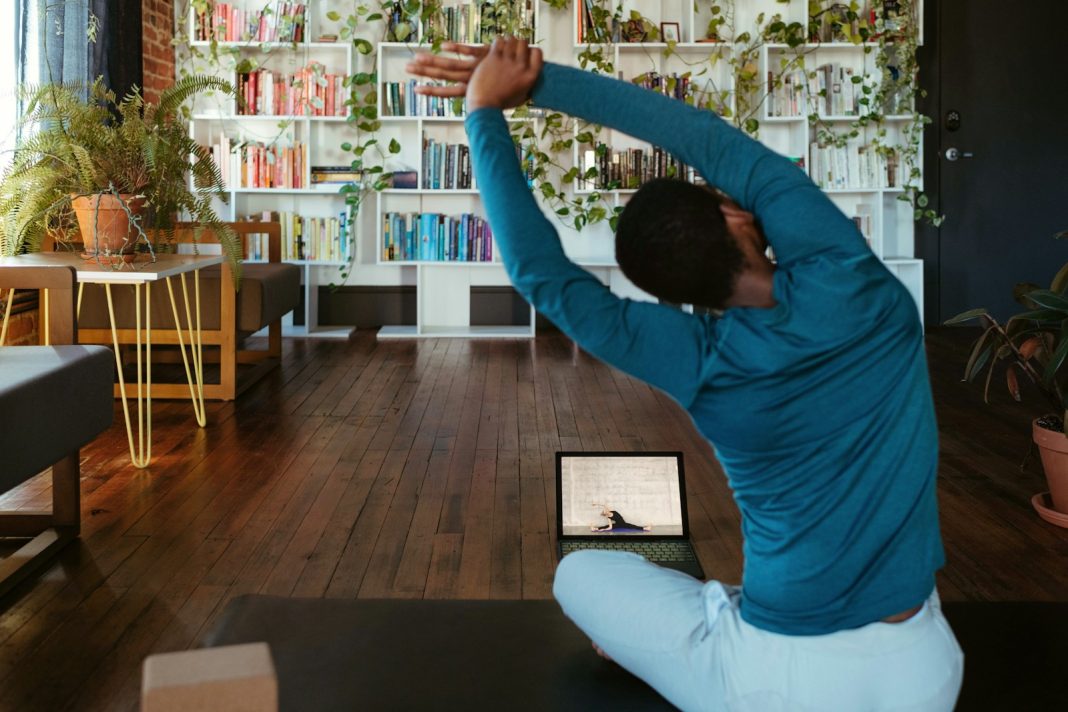
For remote workers, home exercise routines are easier than ever to maintain. Online fitness videos, yoga sessions, and guided stretching apps provide flexible options to stay active without needing a gym membership. The key is consistency: moving a little every day matters more than long, infrequent workouts.
Nutrition for Desk Workers
Physical movement is only part of the equation; nutrition plays a crucial role in maintaining energy and focus. Many office workers fall into the habit of mindless snacking or skipping meals due to busy schedules. However, the types of foods consumed throughout the day have a direct impact on concentration, mood, and productivity.
To stay healthy, it’s essential to avoid the trap of convenience eating—grabbing processed snacks, sugary drinks, or fast food simply because they’re quick. Instead, focus on balanced meals rich in whole foods: lean proteins, whole grains, fruits, vegetables, and healthy fats. Foods like nuts, yogurt, and fresh fruit make excellent desk snacks, providing sustained energy without sugar crashes.
Hydration is equally important. Dehydration often manifests as fatigue or headaches, which many mistake for hunger or stress. Keeping a water bottle nearby and sipping consistently throughout the day can boost alertness and reduce the temptation to overconsume caffeine.
Speaking of caffeine, moderation is key. While a morning coffee can sharpen focus, excessive caffeine intake may lead to jitteriness, dehydration, and disrupted sleep patterns. Replacing afternoon coffee with herbal tea or water infused with fruit can help maintain hydration and steady energy levels.
Protecting Mental Health
A desk job often demands prolonged focus and mental energy, making it just as important to care for emotional and psychological well-being. Long hours in front of a screen can lead to mental fatigue, eye strain, and burnout. Incorporating short mental breaks throughout the day can prevent these issues and sustain productivity.
The Pomodoro technique—working in focused 25-minute intervals followed by five-minute breaks—is one simple and effective method. During these breaks, stepping away from the screen, stretching, or even practicing deep breathing can reset the mind. Looking out a window or taking a brief walk outdoors exposes the body to natural light, which helps regulate circadian rhythms and improve mood.
Stress management is another critical aspect of staying healthy. Modern work environments are often fast-paced and demanding, but mindfulness practices like meditation, journaling, or even quiet reflection can help maintain balance. Apps like Headspace or Calm make it easy to incorporate a few minutes of guided mindfulness into daily routines. Over time, these habits improve focus, reduce anxiety, and enhance emotional resilience.
Creating a Health-Conscious Workspace
Your workspace can either support or undermine your well-being. A cluttered, poorly lit, or noisy environment can increase stress and reduce productivity. By making small adjustments, you can turn your desk into a space that promotes both comfort and health.
Start with lighting—natural light is ideal, as it reduces eye strain and enhances mood. If that’s not possible, using a warm, adjustable desk lamp can mimic daylight and reduce glare from computer screens. Blue light filters or glasses can further protect the eyes, especially for those who spend most of the day looking at digital devices.
Maintaining cleanliness and organization also supports mental clarity. A tidy workspace minimizes distractions and creates a sense of calm. Adding small personal touches—a plant, a framed photo, or a piece of art—can make the space more inviting. Indoor plants, in particular, improve air quality and reduce stress levels.
Building Sustainable Habits
The real challenge of staying healthy while working a desk job isn’t knowing what to do—it’s maintaining consistency. Many people start with enthusiasm but revert to old habits after a few weeks. The key is to focus on small, sustainable changes rather than drastic overhauls.
Setting achievable goals—like standing once an hour, drinking eight glasses of water a day, or taking a 10-minute walk during lunch—creates momentum. Over time, these actions become second nature. Some professionals even use digital reminders or smartwatch alerts to prompt movement or hydration throughout the day.
It’s also helpful to involve colleagues or friends in wellness efforts. Group challenges, walking meetings, or shared healthy lunches foster accountability and make the process more enjoyable. Workplaces that encourage wellness initiatives often see increased morale, productivity, and employee satisfaction.
The Bigger Picture
Ultimately, staying healthy at a desk job is about redefining the relationship between work and well-being. It’s not enough to separate “work time” and “health time”—the two must coexist. The healthiest professionals are those who integrate wellness into their workday, seeing it as an essential part of productivity rather than a distraction from it.
As work continues to evolve in the digital age, prioritizing health is no longer optional—it’s a necessity. A desk job doesn’t have to mean a sedentary life. With mindful effort, consistent movement, proper nutrition, and attention to mental balance, it’s entirely possible to thrive at your desk rather than merely survive.