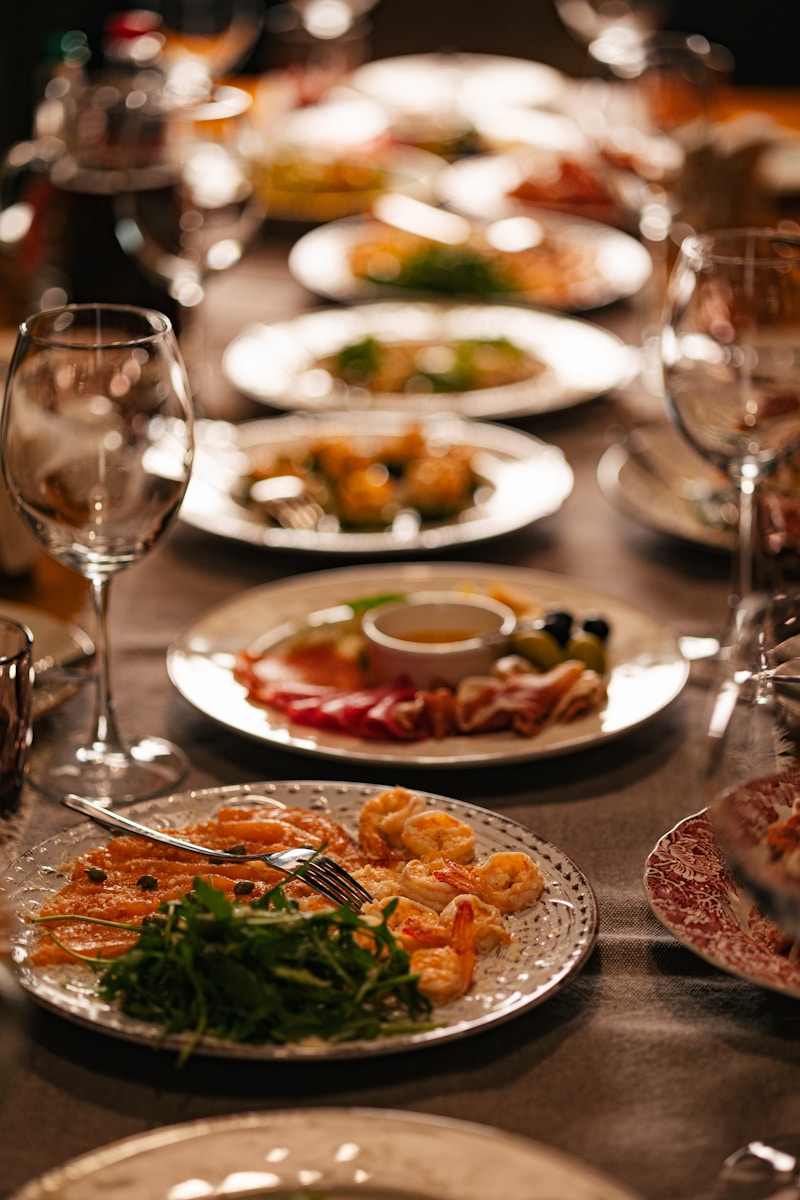
There’s a reason why a beautifully presented dish makes your mouth water before you even take the first bite. The art of plating transforms a simple meal into an experience — an expression of creativity that engages the senses beyond taste alone. In restaurants, chefs spend years perfecting this skill, knowing that the way food looks can heighten its perceived flavor and quality. But you don’t need to be a professional chef to make your meals look restaurant-ready. With a little attention to detail, color, texture, and balance, anyone can master the art of plating at home.
- The Psychology of Presentation
Before diving into techniques, it’s important to understand why plating matters. Humans eat with their eyes first — the visual presentation of a dish influences how we expect it to taste. Studies have shown that diners are willing to pay more for a meal that’s artfully arranged, even if it’s made from the same ingredients as a plain-looking dish. Presentation triggers anticipation and excitement, setting the tone for the entire dining experience. It’s no surprise that chefs refer to plating as “the first bite.”
Moreover, an elegant presentation conveys care. Whether it’s a homemade dinner for family or a meal for guests, the way you arrange the food can turn an ordinary night into something memorable. Plating isn’t just about beauty — it’s a way of communicating respect for the ingredients, the process, and the people you’re serving.
- Choosing the Right Plate: The Canvas of Your Creation
Every artist needs a good canvas, and for the home cook, that’s the plate. The plate you choose sets the stage for your dish’s colors, portions, and arrangement. White plates are timeless and versatile because they make ingredients pop, but don’t be afraid to experiment with dark or patterned ones if they complement your food. A rustic stew may look heartier in a deep bowl, while a bright salad might shine on a flat ceramic plate.
Size matters, too. A plate that’s too small will make your dish look overcrowded, while one that’s too large can make portions appear skimpy. Aim for balance: leave some space around the edges of the plate to give your food room to “breathe.” This negative space draws the eye naturally to the center, where the main elements of your dish should take focus.
- The Power of Color and Contrast
Color is one of the most powerful tools in plating. Vibrant, contrasting hues make a dish visually appealing and suggest freshness. Think of how the deep green of herbs complements the golden brown of roasted chicken, or how a bright beet puree brings a pop of color to a white fish fillet.
When preparing your meal, consider color early in the process. Use natural ingredients to create variety — orange carrots, purple cabbage, red bell peppers, and green herbs all add vibrancy without artificial coloring. A sprinkle of fresh herbs or a dash of colorful seasoning at the end can completely change the appearance of a dish.
However, be careful not to overload the plate with too many colors. Like fashion, plating benefits from restraint. Aim for a cohesive palette that feels intentional. A harmonious combination of three to four colors is often ideal, with one dominant tone and complementary accents.
- Layering and Height: Adding Dimension to the Dish
Flat food looks flat in flavor. One of the secrets professional chefs use to make plates pop is playing with height and layering. Instead of spreading everything across the plate, think vertically — stack, lean, or nest ingredients to create dimension. This gives the dish a dynamic, structured look that feels more refined.
For instance, place a bed of mashed potatoes or grains beneath a protein, letting sauces or vegetables cascade naturally. A piece of fish can rest gently against a pile of greens rather than lying flat beside them. Using layers helps guide the diner’s eye across the plate, creating movement and flow.
But balance is key: too much height can make a dish unstable, and stacking without intention can look messy. The goal is to create visual interest while keeping everything accessible and edible.
- The Role of Texture
Just as flavor benefits from contrast, so does visual presentation. A plate that combines multiple textures — crispy, creamy, smooth, and crunchy — adds complexity and excitement. Texture also enhances how light interacts with the dish, making it appear more dimensional and inviting.
You can introduce texture through cooking methods and garnishes. For example, seared meats offer a crisp exterior that pairs beautifully with a soft purée. A sprinkling of toasted nuts, seeds, or breadcrumbs can provide a finishing crunch that elevates both the look and feel of your meal. Even the choice of sauce — glossy versus matte — contributes to textural contrast on the plate.
- The Importance of Balance and Proportion
One hallmark of restaurant-quality plating is balance — not only in flavor but also in composition. Each component on the plate should serve a purpose. The main element, usually the protein, should be the focal point, with sides and garnishes enhancing rather than competing with it.
A useful guideline is the “clock method.” Imagine your plate as a clock face: the protein sits between 3 and 9 o’clock, the starch between 9 and 12, and the vegetables from 12 to 3. This simple visual helps organize your presentation and ensures each element has its space.
Also consider portion sizes. Overloading a plate can make even the most artful arrangement feel chaotic, while too little food can look sparse. Aim for proportion — each component should be easily identifiable but harmoniously integrated into the whole.
- Garnishing with Purpose
Garnishes are the final touch, the signature of your dish — but they must be more than decoration. The best garnishes add both aesthetic and flavor value. Fresh herbs, edible flowers, citrus zest, or microgreens can brighten a plate without overwhelming it. A drizzle of sauce or a light dusting of spices can tie together the visual elements and reinforce the flavors.
When applying garnishes, think about placement and control. Use a spoon, squeeze bottle, or brush to apply sauces precisely. A deliberate smear or a few artfully placed dots can transform the plate from casual to professional. The key is intention — every element should look like it belongs exactly where it is.
- Lighting and Serving: The Final Presentation
Even the most beautiful dish can lose impact under poor lighting or sloppy serving. Natural light is your best friend when presenting meals; it highlights color and texture more authentically than harsh artificial light. If you’re serving at night, opt for soft, warm lighting that enhances the dish’s tones rather than washing them out.
Serve immediately after plating to preserve the integrity of the presentation. Hot dishes should steam gently, and cold dishes should remain crisp and fresh. The first impression counts, so ensure that edges of plates are clean and that smudges or drips are wiped away before serving.
- Developing Your Own Plating Style
Plating is an art form, and like all art, it allows for personal expression. Some cooks prefer minimalism — clean lines, simple arrangements, and limited color palettes — while others embrace a more rustic, abundant style. There’s no single right way to plate, but understanding the foundational principles allows you to experiment confidently.
Watch how your favorite restaurants present their dishes, and take note of what appeals to you. Try replicating those ideas at home, then adapt them to suit your ingredients and taste. Over time, you’ll develop your own signature plating style — one that reflects your personality as much as your cooking skills.