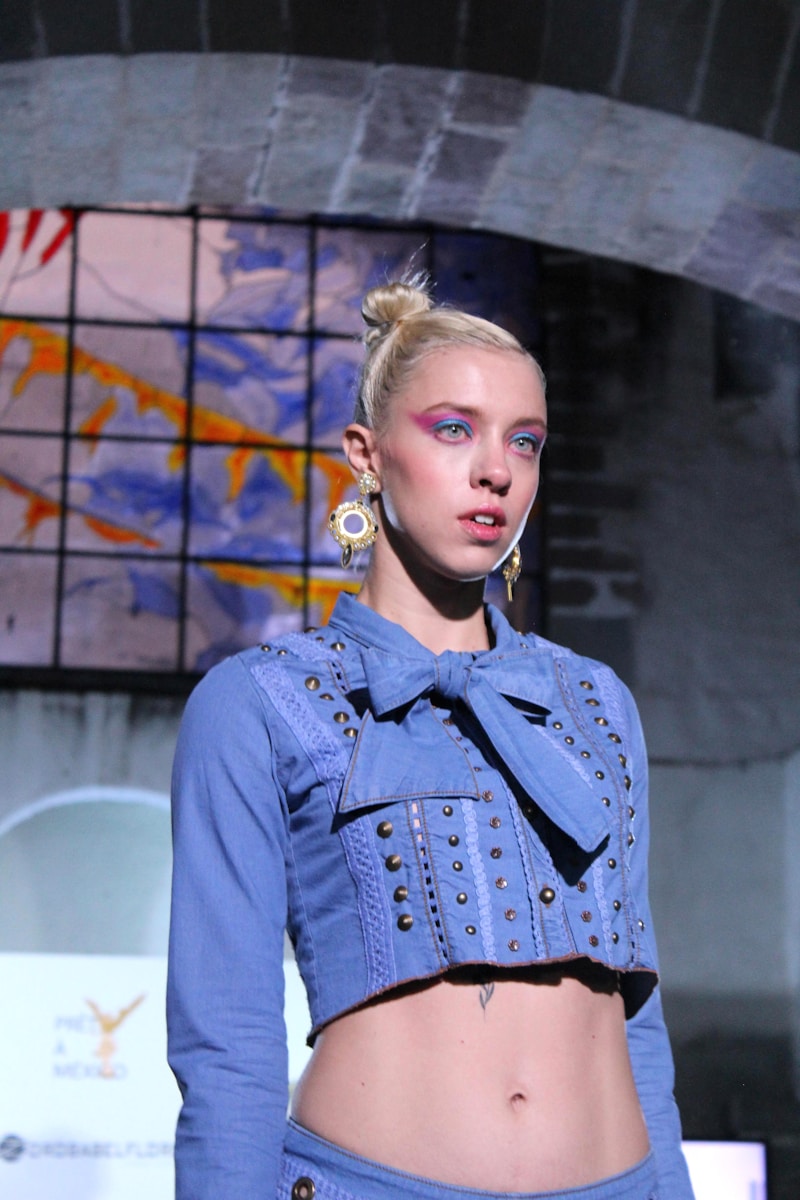
Fashion has always been a reflection of its time — a mirror that captures the mood, values, and aspirations of society. As we step into 2025, the world of style is undergoing yet another evolution. The past few years have redefined the way we think about clothing, driven by global shifts toward sustainability, technology, individuality, and inclusivity. The fashion of 2025 is less about following trends and more about expressing identity with purpose. From minimalist sophistication to digital couture, the coming year celebrates personal style while letting go of outdated norms. Here’s a closer look at what’s making waves — and what’s finally fading out — in the fashion landscape of 2025.
What’s In: Conscious Minimalism and Smart Luxury
The “less is more” philosophy is taking on new life in 2025. Consumers are increasingly rejecting fast fashion in favor of timeless pieces made with craftsmanship and care. The minimalist trend is no longer just about neutral tones and simple silhouettes; it’s about thoughtful design that stands the test of time.
Brands are moving toward “smart luxury” — clothing that blends elegance with functionality. Expect tailored blazers made from recycled fabrics, dresses with modular designs that can be styled in multiple ways, and accessories that combine beauty with purpose. This shift reflects a broader cultural movement: people no longer equate excess with sophistication. Instead, they are investing in fewer, higher-quality items that align with their ethics and lifestyle.
Sustainability has also gone from buzzword to baseline. Labels are being held accountable for transparency in production, and consumers are demanding to know the story behind their garments. In 2025, conscious fashion isn’t a niche — it’s the new standard.
What’s Out: Fast Fashion and Disposable Trends
If the past decade was defined by rapid consumption, 2025 marks the end of that era. Fast fashion — once synonymous with accessibility and trendiness — is losing its grip on the market. Environmental awareness, coupled with growing frustration over poor quality and exploitative labor practices, has shifted consumer behavior.
Instead of chasing weekly micro-trends, shoppers are gravitating toward versatile pieces that can adapt across seasons. The “wear once” mentality has officially expired. TikTok hauls and cheap imitations are being replaced by secondhand finds, capsule wardrobes, and upcycled fashion. Even major retailers are being forced to rethink their production cycles, moving toward smaller, more intentional collections.
Fashion in 2025 is about longevity — owning pieces that evolve with you, rather than feeding into an endless loop of consumption.
What’s In: Tech-Infused Textiles and Digital Fashion
Technology and fashion are merging in fascinating ways this year. Smart fabrics — capable of regulating temperature, repelling stains, or even charging small devices — are transitioning from futuristic novelty to everyday wear. Athletic and streetwear brands are at the forefront of this innovation, integrating function and fashion seamlessly.
Meanwhile, digital fashion — once confined to virtual spaces — is entering the mainstream. With the rise of the metaverse, AR filters, and digital influencers, consumers are buying virtual garments for online personas and events. Designers are creating digital-only collections that eliminate waste and allow limitless creativity. While physical clothing remains central to identity, the digital world is expanding how we define personal style.
The line between the real and virtual wardrobe is blurring, giving rise to a new era where fashion is as much about data as it is about fabric.
What’s Out: Overly Logo-Centric Fashion
In contrast to the tech-driven innovation shaping 2025, one trend is quietly retreating: the obsession with logos. For years, streetwear culture fueled a wave of bold branding and conspicuous consumption — clothing that shouted status before it even spoke of style. But as fashion matures, subtlety is making a comeback.
Consumers are choosing understated elegance over loud symbolism. Monograms and oversized prints are giving way to clean tailoring and refined materials. Brands known for flashy logos are reimagining their identities, focusing more on craftsmanship and design than on statement branding. The new luxury is about feeling — not flaunting.
What’s In: Gender Fluidity and Body Inclusivity
The boundaries of fashion have never been more fluid. In 2025, genderless design is not just a trend — it’s a movement. Runways are increasingly showcasing collections that defy traditional categories, blending masculine and feminine aesthetics into a harmonious middle ground. Oversized blazers, unisex denim, and draped silhouettes dominate both menswear and womenswear lines.
This year also continues the progress toward true body inclusivity. Brands are expanding their size ranges, using diverse models, and prioritizing comfort and fit over rigid standards. Adaptive fashion — designed for people with disabilities — is also gaining traction, with innovative closures, adjustable fits, and sensory-friendly fabrics.
The message is clear: fashion is for everyone. The industry’s future lies in celebrating individuality rather than conforming to old definitions of beauty.
What’s Out: Unrealistic Beauty Standards and One-Size-Fits-All Designs
Gone are the days when fashion dictated who could wear what. The glossy perfection of past campaigns has given way to authenticity and relatability. In 2025, heavily retouched images and size-exclusive collections are being called out for what they are — outdated.
Social media has played a key role in this shift. Consumers want to see real people wearing clothes that reflect real lives. Brands that ignore diversity risk irrelevance, while those embracing inclusivity are thriving. One-size-fits-all clothing, once seen as convenient, is being rejected for designs that recognize the beautiful variety of the human body.
Fashion is no longer about fitting in — it’s about standing out, unapologetically.
What’s In: Vintage Revival and Circular Fashion
Everything old is new again — and in 2025, vintage is reigning supreme. From 1970s bohemian prints to early 2000s minimalism, retro influences are reshaping modern wardrobes. The difference now is that vintage isn’t just about aesthetics; it’s part of a larger commitment to circular fashion.
Thrifting, swapping, and renting clothing are mainstream practices among young consumers. Apps and resale platforms are making it easier than ever to buy and sell pre-loved garments, extending their lifespan and reducing waste. The thrill of finding a one-of-a-kind vintage piece is now a badge of individuality.
Designers, too, are embracing this ethos — reworking archival pieces, repurposing deadstock fabrics, and producing limited-edition collections that tell a story. Circular fashion has become both a creative and ethical revolution, one that redefines what it means to own something “new.”
What’s Out: Seasonal Excess and Overproduction
The traditional fashion calendar — once dominated by relentless seasonal collections — is losing relevance. In 2025, the “four-season” model feels increasingly outdated in a world where trends move digitally and sustainability matters more than constant novelty.
Designers are moving away from overproduction, focusing instead on timeless collections released at a slower, more deliberate pace. Limited drops and made-to-order models are replacing mass manufacturing. The goal is not to create more clothing, but to create better clothing — pieces meant to be cherished, repaired, and reimagined rather than discarded.
This marks a fundamental shift from consumption to conservation, one that could define the next era of fashion entirely.
What’s In: Personality Over Perfection
Perhaps the most exciting trend of 2025 is the celebration of you. Personal style — raw, expressive, and unfiltered — has replaced the uniformity of influencer culture. Instead of mimicking celebrity outfits, people are experimenting, mixing high and low fashion, and embracing individuality.
Street style is back in full force, but with a twist: it’s more personal than performative. From DIY customization to local designers, fashion has become a dialogue between creativity and identity. Whether it’s clashing patterns, thrifted layers, or bold accessories, the message of 2025 fashion is clear — originality never goes out of style.