Traveling abroad for the first time can be an exciting, eye-opening experience. Whether it’s for business, study, or leisure, crossing borders introduces you to new perspectives, traditions, and ways of life. However, it also comes with challenges—especially when it comes to cultural differences. Understanding local customs and social etiquette is crucial for making meaningful connections and ensuring that your travel experience is both enjoyable and respectful. This essay will explore essential cultural etiquette tips that first-time international travelers should keep in mind to navigate unfamiliar social landscapes with grace and confidence.
- Understanding the Importance of Cultural Sensitivity
The foundation of good cultural etiquette is an awareness of cultural sensitivity. Different countries and regions have their own distinct values, beliefs, and behaviors. What may be considered polite in one culture could be seen as rude or even offensive in another. For instance, a gesture as simple as a handshake can vary greatly across cultures. In some places, it’s a formal sign of respect; in others, it may be a mere formality, and in certain regions, a bow or cheek kiss may be the preferred greeting.
As a first-time international traveler, it’s important to recognize that you are not just a visitor to a new place—you are also a representative of your own culture. Your actions, whether intentional or not, can influence how others perceive your country and your values. This is why doing a bit of research before your trip about local customs can go a long way in fostering positive interactions and avoiding misunderstandings.
- Mastering the Art of Greetings
Greetings are one of the first things that a traveler encounters upon arrival in a new country. Whether it’s a handshake, a bow, or a kiss on the cheek, the way you greet people can set the tone for your interactions. In many Western countries, a handshake is the standard greeting, but in other parts of the world, a kiss on the cheek or a hug may be more appropriate.
In countries such as Japan, a bow is a common greeting and a sign of respect. It’s important to understand the proper way to bow, as the depth of the bow can convey different levels of respect. Similarly, in Middle Eastern countries, a handshake may be common, but it’s usually between people of the same gender. It’s also important to note that in some cultures, physical contact, even in the form of a handshake, may not be appropriate between people of the opposite sex.
Understanding the importance of these subtle cultural nuances will help you avoid inadvertently offending someone. When in doubt, observe the locals and follow their lead, or simply ask if you’re unsure about the appropriate greeting for a particular culture.
- Respecting Personal Space and Physical Boundaries
Personal space varies greatly across cultures, and what is acceptable in one place may be uncomfortable in another. In many Western cultures, people value personal space and generally avoid standing too close to one another. In contrast, in some Latin American or Middle Eastern cultures, people may stand closer during conversations.
For first-time international travelers, it’s crucial to be observant of personal space boundaries. Pay attention to how much physical distance people maintain during interactions and adjust accordingly. If you are in a culture where people are accustomed to standing closer, avoid taking a step back immediately, as it may send the wrong signal. On the other hand, in countries where personal space is valued, ensure that you respect this distance and avoid standing too close.
When traveling in countries with strong physical boundaries, be mindful of touching, especially when interacting with strangers. In places like the U.S. and parts of Europe, public displays of affection are generally accepted, but in many Asian or Islamic cultures, such displays are often considered inappropriate.
- Dining Etiquette and Table Manners
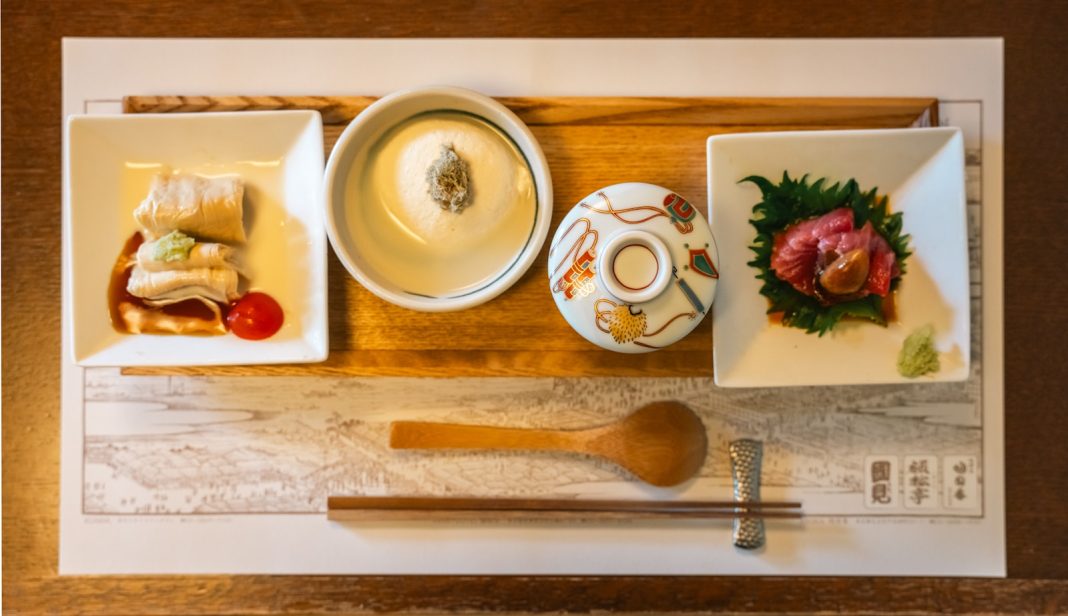
Food is an integral part of every culture, and dining etiquette plays a significant role in how you are perceived by locals. Different cultures have unique customs surrounding meals, from how food is served to how it is eaten. For example, in many Asian countries, it’s common to use chopsticks, and there are specific rules for their use. In some places, placing chopsticks upright in a bowl of rice is seen as a symbol of death, so it’s important to avoid doing so.
In European cultures, table manners tend to be more formal. For instance, in Italy, it is considered impolite to start eating before everyone has been served. In Japan, finishing your meal without making noise may be seen as rude, while in other cultures like France, making a small “mm” noise while eating is a sign that the meal is delicious.
If you’re invited to someone’s home, always bring a small gift as a sign of appreciation. This could be something simple, like a bottle of wine or a small souvenir from your home country. In many cultures, such gestures are a sign of goodwill and are greatly appreciated.
- Navigating the Tipping Culture
Tipping is another area where cultural differences can be particularly confusing for first-time international travelers. In countries like the United States, tipping is an expected part of the service industry, with standard tips ranging from 15% to 20% of the bill. However, in many European countries, tipping is not mandatory, and the service charge may already be included in the bill. In some Asian countries, such as Japan or South Korea, tipping can even be seen as rude or unnecessary.
To avoid awkward situations, it’s helpful to research tipping practices before traveling to a new destination. This ensures that you are not over-tipping or under-tipping in ways that could be perceived as disrespectful.
- The Role of Religion and Spirituality
Religion plays a significant role in shaping social norms and behaviors, and being respectful of local religious practices is crucial for first-time travelers. In countries like Saudi Arabia or Afghanistan, where Islam is the dominant religion, there are strict rules about dress codes, especially for women. In many Muslim-majority countries, it’s essential to cover your body modestly, particularly when visiting religious sites.
In India, where Hinduism is widely practiced, visitors may be asked to remove their shoes before entering temples or sacred sites. Likewise, in Buddhist countries like Thailand, Laos, and Cambodia, visitors should dress conservatively when visiting temples and avoid touching statues or sacred objects.
Being mindful of these religious and spiritual practices shows respect for the local culture. When in doubt, ask your host or local guides about what is appropriate or not.
- Language and Communication Styles
Language is perhaps the most obvious barrier for international travelers, and knowing a few basic phrases in the local language can go a long way in demonstrating your respect for the culture. In many countries, even attempting to speak a few words of the local language can create a positive impression. A simple “hello” or “thank you” in the native language can break down barriers and foster goodwill.
However, understanding the communication style of a culture is just as important as learning the language. In some countries, such as the United States or Germany, people tend to be direct and to the point. In contrast, in many Asian or African cultures, communication is often more indirect, with an emphasis on maintaining harmony and avoiding conflict. Understanding these communication styles can help you navigate conversations more effectively and avoid misunderstandings.
- Dressing Appropriately for the Occasion
Dress codes are another aspect of cultural etiquette that varies widely across different countries. In some places, casual attire is perfectly acceptable, while in others, formal wear is expected, especially in business settings. In many Middle Eastern countries, modest dress is required, particularly for women. In contrast, Western countries tend to have more relaxed dress codes, although business settings often require more formal attire.
Before your trip, research the general dress code for your destination. For instance, if you’re traveling to a conservative country, pack clothes that cover your arms, legs, and shoulders. In tropical climates, lightweight clothing is often appropriate, but it’s still important to respect local norms about modesty.