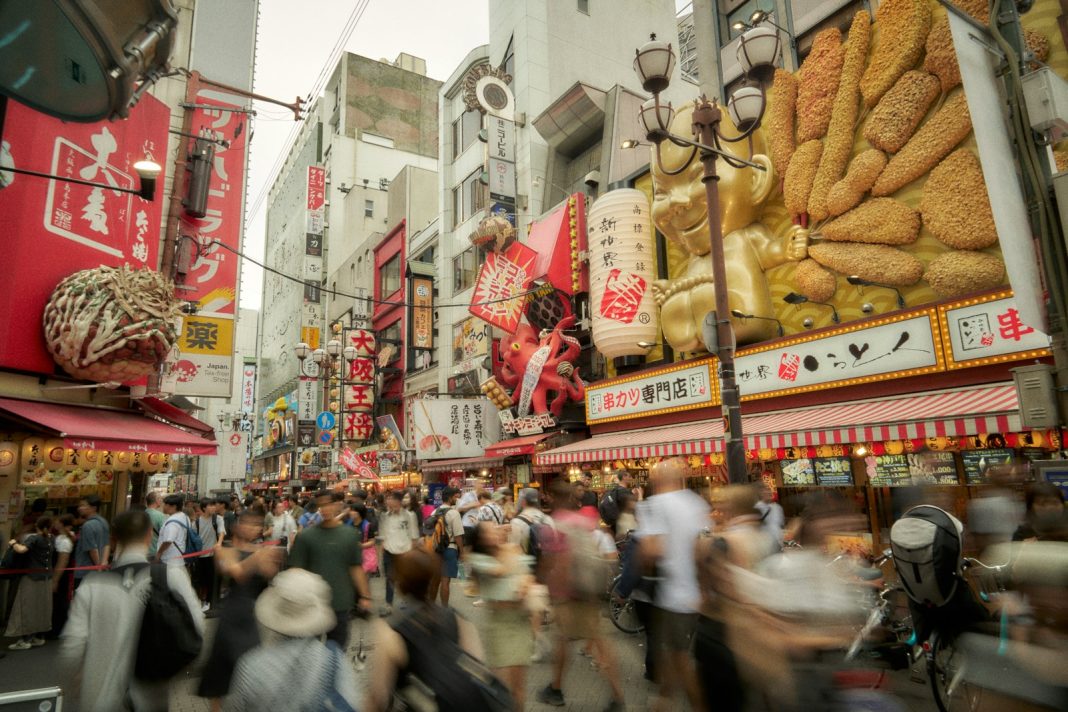
Travelers often talk about the sights, the sounds, and the people they meet on their journeys, but few experiences capture the heart of a culture quite like its food—especially the kind found sizzling on a street corner. Street food is more than a quick meal; it’s a living expression of a community’s history, creativity, and identity. Across the world, from the bustling night markets of Bangkok to the taco stands of Mexico City, street food unites people in a celebration of flavor and tradition. Each dish tells a story, and every bite is a ticket into the soul of a place.
A Cultural Passport on a Plate
Street food is the ultimate equalizer. Whether you’re a local worker grabbing lunch or a backpacker exploring a new city, you’ll find yourself shoulder to shoulder at the same stall, sharing the same aromas and tastes. Unlike fine dining, which often separates people by price or status, street food belongs to everyone. Its origins are humble—born from the need to provide affordable, quick, and delicious meals to busy city dwellers—but its cultural impact is profound.
Every dish reflects the geography and history of its home. The spicy satays of Indonesia tell a story of trade routes rich with imported spices, while the falafel of the Middle East echoes centuries of shared recipes across borders. Street food showcases how cultures adapt, blend, and innovate. Colonial influences, migrations, and local ingenuity have all shaped the world’s street food scene. For instance, the bánh mì sandwich of Vietnam combines French baguettes with traditional Vietnamese fillings, symbolizing resilience and fusion in the face of history.
The Symphony of the Streets
To walk through a street food market is to step into a living, breathing performance. The sound of sizzling oil, the rhythmic chopping of vegetables, and the chatter of hungry patrons create an orchestra that awakens all the senses. There’s an energy to it—a pulse that mirrors the life of the city itself. Each vendor, with their own recipes passed down through generations, contributes a note to this culinary symphony.
Street food stalls are not just places to eat; they are stages where tradition meets innovation. The vendor is both artist and storyteller. Watching a noodle master toss dough high into the air or a kebab maker skillfully turn skewers over glowing coals is to witness a form of craftsmanship honed through years of practice. The artistry lies not only in the food’s taste but in its creation—the swift movements, the balance of ingredients, and the mastery of timing.
Flavors of Adventure and Discovery
One of the most thrilling aspects of exploring street food is the sense of adventure it offers. Each city, each neighborhood, each vendor introduces something new. The first bite of a dish you’ve never tried before is a small leap into the unknown—a delicious risk that often leads to unforgettable memories.
In Mexico, the streets burst with the aroma of tacos al pastor, their juicy meat carved fresh from a rotating spit and topped with pineapple. In Japan, takoyaki vendors pour batter into sizzling molds, trapping tender pieces of octopus inside golden spheres. In India, pani puri vendors serve crispy shells filled with tangy tamarind water and spiced potatoes—an explosion of textures and flavors in one bite. These are not just snacks; they’re stories told through ingredients.
The beauty of street food lies in its immediacy. It’s food that invites you to live in the moment. There’s no formal menu, no reservations, no pretension—just the heat of the pan, the burst of flavor, and the connection between the cook and the eater. You learn to trust your senses—to follow the aroma that leads you to the right stall, to notice the locals queuing at one corner, to taste first and ask questions later.
The People Behind the Plates
Behind every successful street food stall is a story of hard work, resilience, and passion. Many vendors are small-scale entrepreneurs, often running family businesses that have survived through generations. Their recipes are family heirlooms, guarded and perfected over time. These cooks are not only feeding their communities but preserving culinary heritage.
For many travelers, meeting these vendors is as meaningful as tasting their dishes. Conversations often begin with curiosity—asking about ingredients or preparation—and end with laughter and shared humanity. A street food vendor might tell you how their grandmother taught them to make dumplings or how they wake up before dawn to prepare fresh dough. These exchanges remind us that food is not just sustenance; it’s connection.
Street food culture also exemplifies innovation. Vendors adapt constantly to changing tastes and trends. Some introduce new twists on traditional dishes—like Korean vendors who add cheese to tteokbokki or Thai cooks who turn classic mango sticky rice into portable desserts. This blend of tradition and creativity keeps street food vibrant and alive.
Challenges on the Road
Despite its charm, street food culture faces challenges. Health regulations, urban development, and commercialization can threaten traditional vendors. In some cities, authorities have sought to modernize food markets, sometimes displacing small sellers in favor of larger, sanitized spaces. While cleanliness and safety are important, excessive regulation can erase the authenticity that makes street food special.
Travelers also carry a responsibility to respect these traditions. Trying local food should be done with curiosity and care, not exploitation. Supporting small vendors, avoiding food waste, and appreciating the craft behind each meal are small ways to honor the culture that street food represents. Authentic travel means engaging with communities, not just consuming them.
Street Food and Identity
Street food isn’t just about what people eat—it’s about who they are. It embodies a community’s struggles, triumphs, and creativity. In countries recovering from hardship, street food often reflects resilience. In places of abundance, it becomes a symbol of celebration. Even migration tells its story through food. When people move, they carry flavors with them, leading to new blends and hybrids.
In the United States, for instance, food trucks have become an extension of the global street food movement. From Korean tacos to Ethiopian coffee stands, they represent how immigrant communities adapt their culinary traditions to new environments. These fusions create bridges between cultures, turning a simple meal into a form of cultural exchange.
A Taste of Belonging
Perhaps the most beautiful part of street food adventures is the sense of belonging they create. Sitting on a plastic stool in a crowded market, surrounded by laughter and steam, you feel part of something larger. You’re not just an observer—you’re a participant in a centuries-old ritual of eating, sharing, and connecting.
Food has always been one of humanity’s great unifiers. When language barriers fall short, a shared meal becomes the conversation. The joy of biting into something delicious, of nodding in appreciation to the cook, transcends cultural and linguistic differences. It’s a reminder that no matter where we come from, we all understand the comfort of a warm meal.
The Endless Road of Flavor
Street food is an ever-evolving map of the world’s culinary imagination. Each destination offers a new flavor to discover, a new person to meet, and a new story to tell. The more we explore, the more we realize that these dishes—served on paper plates, wrapped in banana leaves, or handed over in greasy napkins—carry more than flavor; they carry history, memory, and hope.
For travelers, exploring street food is more than a culinary journey—it’s a lesson in openness. It teaches humility, patience, and curiosity. It encourages us to slow down, to notice, to taste. It reminds us that the essence of travel lies not just in seeing new places but in experiencing them—one bite at a time.