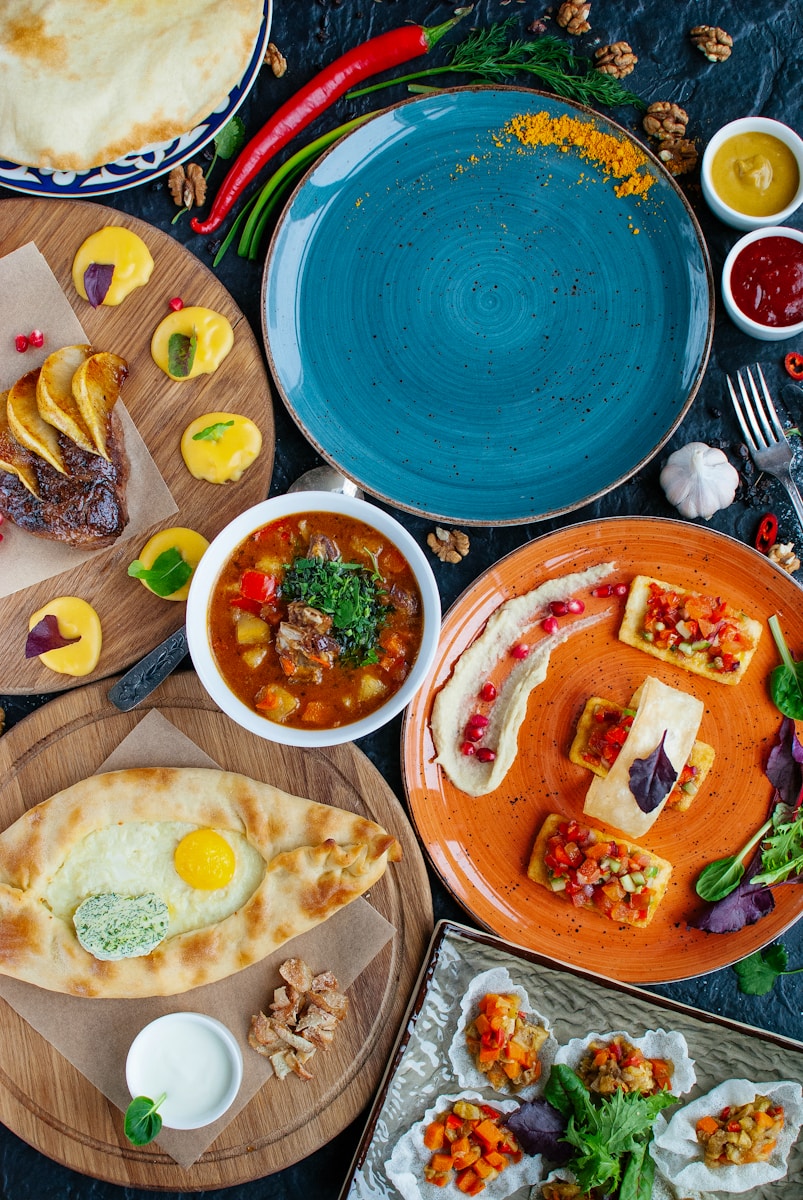
There is something deeply human about finding solace in food. Across cultures and continents, comfort food holds a special place in people’s hearts—it represents warmth, familiarity, and connection. Whether it’s a simple bowl of soup, a hearty stew, or a sweet pastry fresh from the oven, comfort food transcends language and geography. It speaks to our shared longing for home, even when we’re far away from it. Each country has its own take on what brings comfort to the soul, shaped by its climate, history, and traditions. Exploring these dishes from around the world not only satisfies the palate but also reveals how culture and emotion intertwine at the dinner table.
The Universal Language of Comfort
Comfort food is rarely just about taste; it’s about memory. It’s what your grandmother made when you were sick, what your parents cooked on a cold night, or what friends shared after a long day. The ingredients might change, but the emotional core remains the same: nourishment for both body and spirit. Every culture has dishes designed to restore energy and evoke nostalgia. From the creamy mashed potatoes of the United States to the steaming bowls of congee in China, these meals represent care and tradition passed down through generations.
What makes comfort food universal is not the recipe but the feeling it brings. When someone from France tucks into a plate of coq au vin or a Japanese traveler enjoys miso soup abroad, they are reconnecting with a part of themselves—their culture, their memories, their roots. Comfort food is both a culinary and emotional anchor that keeps people grounded, no matter where they are.
Europe: Hearty Warmth and Simple Pleasures
Europe offers a tapestry of comfort foods that reflect its diverse climates and histories. In Italy, comfort comes in the form of pasta—spaghetti carbonara, lasagna, or a steaming bowl of risotto. Italian comfort food often embodies the simplicity of fresh ingredients and slow preparation. A traditional minestrone soup, brimming with vegetables and beans, represents the rustic warmth of the Italian countryside.
Moving north, the British Isles embrace comfort through hearty, filling meals like shepherd’s pie, fish and chips, and Sunday roasts. There’s also something profoundly comforting about a cup of tea paired with warm scones or sticky toffee pudding. In France, meanwhile, comfort takes on a more refined form with dishes such as boeuf bourguignon or cassoulet—slow-cooked stews that fill the home with rich, savory aromas.
Eastern Europe offers its own brand of comfort through robust and earthy meals designed to combat cold winters. Think of Poland’s pierogi—soft dumplings stuffed with potatoes, cheese, or meat—or Russia’s borscht, a vibrant beet soup served with a dollop of sour cream. These dishes provide warmth in both flavor and feeling, serving as symbols of resilience and hospitality in challenging climates.
Asia: Harmony, Healing, and Family
In Asia, comfort food is often rooted in balance and nourishment. In China, congee—a rice porridge—has long been a staple of comfort. It’s simple, warm, and endlessly adaptable, often served with pickled vegetables or shredded chicken. Each spoonful offers a reminder of home and care, particularly during illness. Dumplings, too, hold emotional weight; in Chinese culture, making them is a family affair that brings generations together.
Japan’s comfort cuisine reflects its focus on simplicity and mindfulness. Miso soup, ramen, and donburi bowls offer warmth and satisfaction. A bowl of ramen, with its rich broth and perfectly cooked noodles, is not just a meal—it’s an act of restoration. Meanwhile, in South Korea, kimchi jjigae (kimchi stew) and bibimbap (a rice dish topped with vegetables, egg, and chili paste) represent the harmony of flavors that Korean cuisine is known for. They are the kinds of meals that remind Koreans of home-cooked comfort, especially during winter months.
In India, comfort food is vibrant and deeply tied to family and ritual. Dishes like dal (lentil stew), khichdi (rice and lentils), or butter chicken bring warmth and familiarity. Spices play an essential role not only in flavor but in healing; ingredients like turmeric, ginger, and cumin are believed to have restorative properties. Across Southeast Asia, from Thailand’s coconut-based curries to Vietnam’s pho, the idea of comfort is steeped in the blend of sweet, sour, salty, and spicy flavors that awaken the senses and soothe the heart.
The Americas: Nostalgia and Abundance
Comfort food in the Americas often celebrates abundance and indulgence. In the United States, macaroni and cheese, fried chicken, and mashed potatoes are symbols of homestyle cooking. Each dish carries layers of history—African American, European, and Indigenous influences—that define the nation’s culinary identity. Southern soul food, in particular, embodies the idea of comfort through community. Meals like gumbo, cornbread, and collard greens are not just about taste but about survival, love, and shared history.
In Latin America, comfort food often blends bold flavors with humble ingredients. Mexico’s tamales, filled with seasoned meat and wrapped in corn husks, are both a festive food and a family tradition. Each tamale is made with care, usually in gatherings where stories are shared as hands work together. In Brazil, feijoada—a rich stew of beans and pork—brings people together around a communal table, symbolizing unity and celebration. Argentina’s empanadas, Colombia’s arepas, and Peru’s lomo saltado each tell stories of cultural fusion and everyday comfort.
The Caribbean offers its own spin on comfort with dishes like Jamaican jerk chicken, Trinidadian curry, and rice and peas. These meals often use spices to evoke warmth and identity, passed down through generations as reminders of both struggle and resilience. Comfort food here, as in many regions, serves as both nourishment and cultural preservation.
Africa: Tradition, Warmth, and Connection
Across Africa, comfort food is deeply tied to community and family. In West Africa, jollof rice—a one-pot dish of rice, tomatoes, and spices—is central to celebrations and everyday meals alike. It’s a dish that varies by region but always carries the same meaning: togetherness. In North Africa, couscous served with vegetables or lamb stew provides warmth and satisfaction, often enjoyed communally from a shared dish.
In South Africa, bobotie—a spiced meat dish baked with an egg topping—combines the influences of Dutch and Malay cuisines, creating a flavor that’s both comforting and complex. East African dishes like ugali (a maize porridge) or injera (a sourdough flatbread from Ethiopia) are staples that accompany nearly every meal. Their simplicity and adaptability make them symbols of nourishment and resilience across generations.
Middle Eastern Comfort: Fragrance, Family, and Faith
Middle Eastern comfort food is a feast of aroma and texture. Dishes like hummus, falafel, and shawarma have gained global popularity, but at home, comfort often comes from slow-cooked meals such as lamb stew, lentil soup, or maqluba (an upside-down rice and vegetable dish). In countries like Lebanon, Syria, and Turkey, meals are often shared among large groups, reinforcing the idea that comfort is found in togetherness.
Spices such as cumin, cinnamon, and sumac give these dishes their depth, while ingredients like olive oil, yogurt, and fresh herbs provide balance. Even desserts, like baklava and rice pudding, carry symbolic meaning—sweetness shared among loved ones during holidays or after long days of fasting. Middle Eastern comfort food reminds us that food is not only sustenance but a reflection of faith, gratitude, and hospitality.
Why Comfort Food Connects Us All
Though the dishes differ, the essence of comfort food remains the same across the globe—it’s food that tells a story. It connects people to their past, to their families, and to the values that define them. In an increasingly globalized world, comfort food serves as a bridge between cultures. Sharing a meal that once brought comfort to one person in one part of the world can bring joy to another thousands of miles away.
There’s also a growing appreciation for comfort food in international dining today. Fusion restaurants combine global flavors to create new forms of comfort, blending nostalgia with novelty. A bowl of ramen-inspired pasta or tacos with Indian spices reflects how food continues to evolve while maintaining its emotional heart.