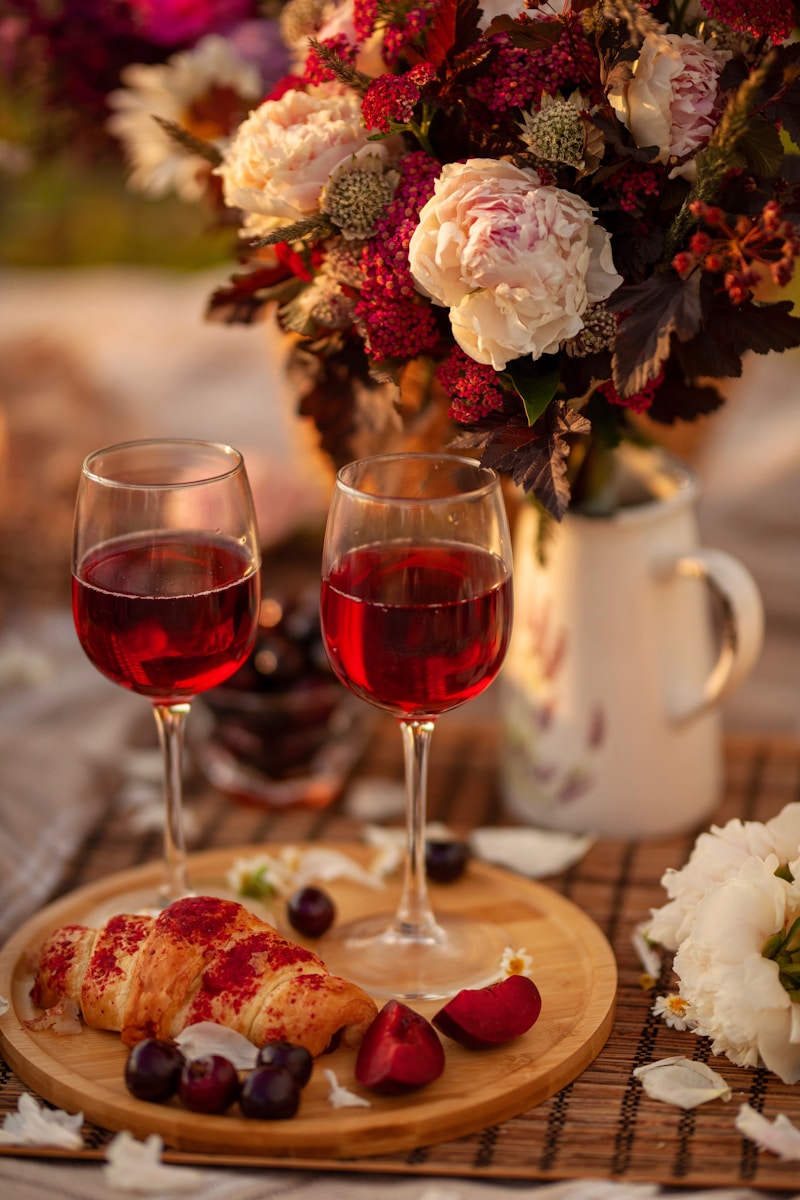
There’s something magical about the moment when food and wine meet in perfect harmony. A sip of wine can elevate a meal, unlocking hidden flavors, softening textures, and enhancing the overall dining experience. For centuries, the art of pairing wine with food has fascinated chefs, sommeliers, and food lovers alike. While it might seem mysterious or reserved for experts, the truth is that understanding how wine complements food is as much about intuition and curiosity as it is about rules. With a bit of practice, anyone can learn to pair wine and food like a pro.
The Balance of Taste
At the heart of wine pairing lies one simple concept: balance. Just as a chef seeks harmony among sweet, salty, sour, bitter, and umami in a dish, a sommelier strives to balance the dominant flavors of food with the characteristics of wine. Every wine has its own personality—some are bold and full-bodied, others are delicate and crisp—and matching that personality to the dish can either make or break the dining experience.
The most fundamental principle is that neither the wine nor the food should overpower the other. For instance, a light-bodied white wine like Pinot Grigio can easily be overwhelmed by a rich beef stew, while a powerful Cabernet Sauvignon might dominate a delicate poached fish. The goal is to create a partnership, not a competition. When the flavors are balanced, each bite and sip enhance the other, creating a cohesive and memorable experience.
Understanding Wine Components
To pair wine effectively, it helps to understand the basic elements that define its character—acidity, sweetness, tannins, alcohol, and body. These qualities determine how a wine interacts with different types of food.
Acidity: Wines with higher acidity, such as Sauvignon Blanc or Chianti, tend to pair well with foods that are rich or fatty. The acidity cuts through the fat, cleansing the palate and keeping flavors fresh. Imagine the crisp zest of a Sauvignon Blanc alongside buttery scallops—it’s like a squeeze of lemon that brightens the dish.
Sweetness: Sweet wines can balance spicy, salty, or tangy dishes. A touch of sweetness softens heat and brings out hidden flavors. For example, an off-dry Riesling pairs beautifully with spicy Thai or Indian cuisine, tempering the spice while complementing the complex aromas.
Tannins: Found primarily in red wines, tannins create a dry, slightly astringent sensation on the tongue. They pair best with protein-rich or fatty foods that can soften their edge. A classic example is a tannic Bordeaux with a juicy steak—the fat in the meat tames the tannins, revealing the wine’s deep fruit and earthy notes.
Alcohol: Higher alcohol wines feel warmer and pair best with bold, flavorful dishes. Conversely, lighter dishes may clash with high-alcohol wines. The heat from a 15% Shiraz might overwhelm a fresh salad, but it complements barbecue or grilled lamb perfectly.
Body: The body of a wine—light, medium, or full—should match the weight of the dish. Delicate wines suit lighter fare, while robust wines enhance hearty meals. A full-bodied Chardonnay mirrors the richness of creamy pasta, while a light Pinot Noir complements roasted chicken or salmon.
Classic Pairings and Why They Work
Some pairings have stood the test of time because they work so effortlessly. Take oysters and Champagne—the wine’s high acidity and bubbles cut through the brininess, creating a refreshing balance. Or think of lamb and Bordeaux, where the tannins meet the richness of the meat, resulting in a smooth, satisfying bite.
Another timeless duo is Italian pasta with tomato sauce and Chianti. The acidity in the wine mirrors that of the tomatoes, creating a seamless blend. Similarly, the buttery texture of lobster finds its match in a creamy Chardonnay, both echoing and enhancing each other’s richness.
However, pairing isn’t always about tradition—it’s about understanding why these combinations work. The underlying idea is to either complement or contrast flavors. Complementary pairings align similar taste profiles—like a sweet wine with dessert—while contrasting pairings provide balance, such as a crisp, acidic wine with a rich, fatty dish.
Matching Wine with World Cuisines
As global cuisine becomes increasingly diverse, pairing wine with non-European dishes offers both challenge and excitement. Many traditional pairing rules originated with European foods, but today’s tables are filled with flavors from around the world—spicy curries, smoky barbecue, sushi, tacos, and more.
For Asian cuisine, where spices and sauces dominate, off-dry whites or light reds often shine. Riesling, Gewürztraminer, or Pinot Noir balance the heat and highlight the complexity of flavors without clashing. For Japanese dishes like sushi or sashimi, a crisp, mineral-driven wine such as Chablis or Albariño enhances the purity and freshness of the fish.
When it comes to Latin American foods, vibrant and aromatic wines like Malbec or Carmenère complement grilled meats and smoky spices. Meanwhile, Mediterranean cuisine, with its olive oil, herbs, and seafood, finds harmony with wines that echo the sun-drenched terroir—think Vermentino, Grenache, or Tempranillo.
The key is to consider dominant ingredients and cooking methods. Grilled, smoky dishes call for robust reds, while citrusy or herb-based dishes pair beautifully with aromatic whites.
Pairing Beyond the Plate: Mood and Setting
Professional sommeliers often remind us that pairing isn’t just about the food—it’s about the entire experience. The setting, mood, and even the company can influence how we perceive flavors. A glass of chilled rosé on a summer afternoon tastes different than it does in the middle of winter, not because the wine has changed, but because our senses respond differently to context.
If you’re dining outdoors on a warm day, lighter wines with high acidity and freshness are ideal. For cozy winter dinners, a full-bodied red or a spiced mulled wine feels comforting and seasonally appropriate. Romantic dinners might call for elegant wines like Pinot Noir or Champagne, while festive gatherings can benefit from bold, crowd-pleasing options like Zinfandel or Syrah.
Pairing, at its core, is about pleasure and connection. The best pairings often come from intuition—trusting your senses and noticing what feels right in the moment.
Breaking the Rules with Confidence
While understanding pairing principles is valuable, some of the most memorable combinations happen when you bend or break the rules. After all, wine appreciation is personal, and taste is subjective. A spicy Shiraz with dark chocolate might defy tradition but deliver an unforgettable contrast of flavors.
Experimentation is key. Start by noting what you enjoy. If you prefer white wine with red meat or red wine with fish, that’s perfectly valid. The more you explore, the more confident you’ll become in trusting your palate. Professionals may rely on science and experience, but great pairing ultimately comes from curiosity and openness.
Building Your Own Pairing Skills
To pair wine like a pro, start small. Next time you cook, think about the main components of your dish: Is it creamy, acidic, salty, or spicy? Then choose a wine that balances or highlights those flavors. Keep a journal of what works and what doesn’t. Over time, you’ll start recognizing patterns and developing your own pairing instincts.
Attend wine tastings or try themed dinners where each course is paired with a different wine. Notice how the flavors evolve with each sip and bite. As you practice, you’ll gain a deeper understanding of how subtle elements—like temperature, sauce, or seasoning—affect the interaction between food and wine.
The Pleasure of Harmony
Ultimately, pairing wine and food is an act of artistry. It’s about creating a dialogue between two complex, living expressions of craftsmanship. When done right, the combination becomes greater than the sum of its parts—a kind of alchemy that delights the senses and elevates an ordinary meal into something unforgettable.
What separates professionals from casual enthusiasts isn’t necessarily knowledge, but awareness. Pros pay attention—to balance, to context, and to emotion. They see wine not as a separate element, but as part of a complete story told through flavor, texture, and aroma.
In the end, pairing wine with food isn’t about memorizing rules; it’s about exploring relationships—between sweet and salty, rich and crisp, earth and fruit, old and new. Each glass invites a moment of discovery, and every meal offers the chance to refine your understanding of pleasure. To pair wine like a pro, one must simply learn to slow down, taste carefully, and celebrate the beautiful dance between food and wine that has captivated humanity for centuries.