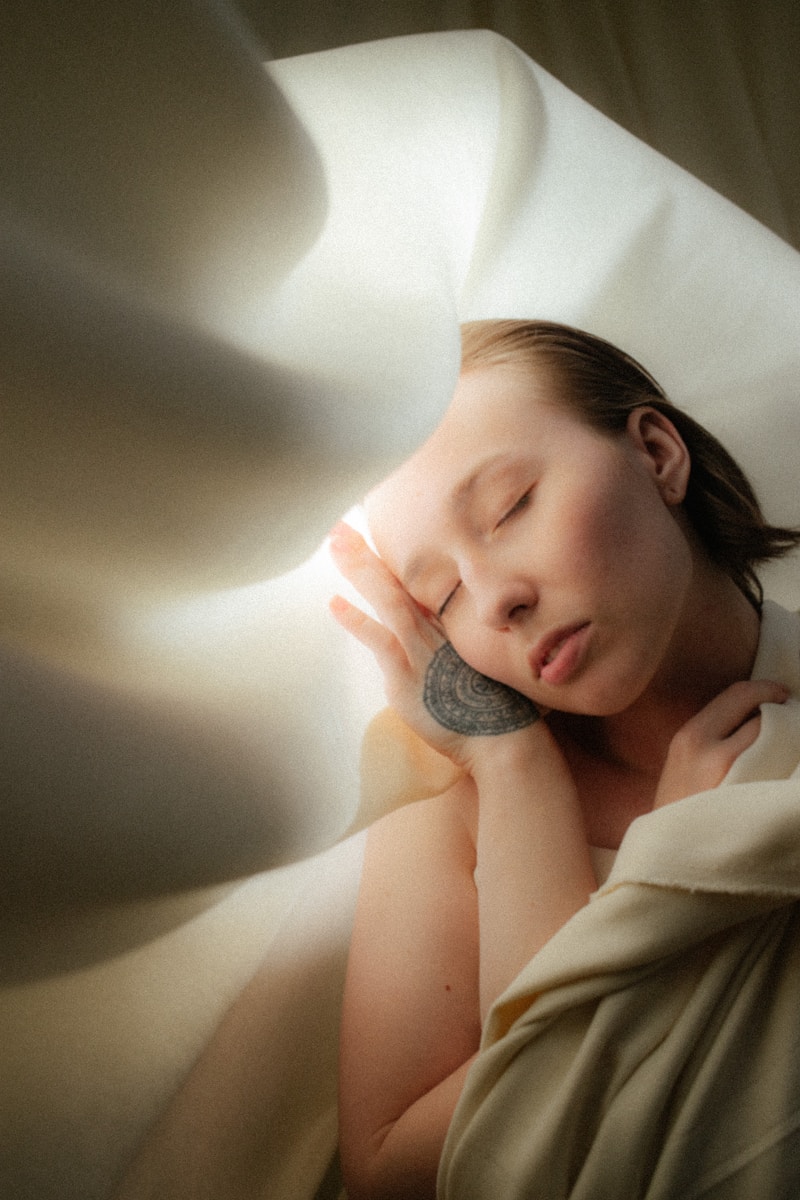
Sleep is one of life’s simplest pleasures and greatest necessities, yet it often feels elusive in the modern world. Between endless to-do lists, glowing screens, and constant mental stimulation, getting a full night’s rest has become almost a luxury. But sleep is not just a period of inactivity—it’s an active biological process that restores both body and mind. Understanding the science behind sleep can help us make better choices, improve the quality of our rest, and ultimately wake up feeling truly energized.
- Why We Sleep: The Hidden Work of the Brain and Body
For centuries, sleep was a mystery—something we did, but didn’t fully understand. Today, scientists have uncovered that sleep is far from a passive state. During the night, our bodies and brains perform essential maintenance tasks that keep us healthy and functional.
One of the most crucial functions of sleep is memory consolidation. As we sleep, especially during the rapid eye movement (REM) stage, the brain processes and organizes information gathered during the day. Short-term memories are transferred into long-term storage, helping us retain what we’ve learned. This explains why a good night’s rest often leads to clearer thinking and better performance the next day.
Meanwhile, the body uses non-REM sleep for physical repair. During deep sleep, tissues grow and muscles recover. The immune system strengthens, and the body releases growth hormones that are vital for development and healing. Skipping sleep doesn’t just make you groggy—it can weaken your immune response and slow recovery after exercise or illness.
Sleep also helps regulate mood and emotional stability. The amygdala, the brain’s emotional control center, becomes less reactive after a full night of rest. When we’re sleep-deprived, stress feels magnified, irritability rises, and decision-making falters. So, in many ways, sleep is our built-in therapy session, restoring balance between mind and body.
- The Stages of Sleep: A Symphony of Cycles
Sleep is not a single, uniform state but a dynamic rhythm of stages that repeat through the night. Each cycle lasts about 90 minutes and consists of four main phases—three of non-REM sleep and one of REM sleep.
The first stage is the lightest phase, a brief transition from wakefulness where the body begins to relax. In stage two, brain waves slow, heart rate decreases, and the body temperature drops. This phase makes up about half of our total sleep time and is essential for feeling rested.
Stage three is deep sleep, often called slow-wave sleep. This is when the body focuses on repair—blood flow increases to muscles, and growth hormones are released. It’s the hardest stage to wake up from, and doing so can leave you feeling disoriented.
Finally, there’s REM sleep, where dreams occur. Brain activity during REM resembles wakefulness, but the body remains paralyzed to prevent acting out dreams. REM sleep supports creativity, learning, and emotional regulation. Together, these stages form a nightly cycle of restoration, each playing a distinct role in maintaining health and cognitive function.
- The Internal Clock: Circadian Rhythms and Melatonin
At the core of healthy sleep lies the body’s internal clock, or circadian rhythm—a roughly 24-hour cycle that influences when we feel awake or tired. This rhythm is regulated by the brain’s suprachiasmatic nucleus (SCN), which responds primarily to light.
When sunlight hits the eyes, it signals the SCN to suppress melatonin, the hormone that promotes sleepiness. As night falls, darkness triggers melatonin production, preparing the body for rest. Disrupting this natural rhythm—through late-night screen time, night shifts, or inconsistent schedules—confuses the body’s timing system, making it harder to fall asleep or wake up refreshed.
Artificial light, particularly the blue light emitted by phones and computers, is a major culprit. Blue light mimics daylight, tricking the brain into thinking it’s still daytime. This suppresses melatonin release, delaying sleep onset and reducing overall sleep quality. To align your rhythm naturally, limit screen exposure an hour before bed, dim household lights in the evening, and get morning sunlight exposure to reinforce your body’s internal clock.
- The Cost of Poor Sleep
Chronic sleep deprivation doesn’t just make you tired—it has serious long-term consequences. Studies show that adults who consistently get fewer than seven hours of sleep per night are more likely to suffer from obesity, diabetes, heart disease, and depression.
Sleep loss disrupts the balance of hunger hormones: ghrelin, which stimulates appetite, and leptin, which signals fullness. When sleep is cut short, ghrelin levels rise while leptin decreases, leading to overeating and weight gain. Additionally, lack of sleep impairs insulin sensitivity, increasing the risk of developing type 2 diabetes.
The cardiovascular system also suffers. During sleep, blood pressure naturally dips, allowing the heart and blood vessels to rest. Chronic insomnia or fragmented sleep prevents this dip, leading to persistent hypertension and higher risks of heart attacks and strokes.
Mentally, sleep deprivation affects focus, judgment, and memory. It diminishes attention span and reaction time—similar to the effects of alcohol impairment. Over time, it can contribute to mood disorders, anxiety, and even cognitive decline. Sleep isn’t a luxury; it’s a biological necessity for long-term health.
- How to Sleep Better: Practical, Science-Backed Strategies
Improving sleep isn’t just about clocking more hours—it’s about optimizing the quality of rest. Small, consistent changes in daily habits can make a significant difference.
Create a consistent schedule: The body thrives on routine. Going to bed and waking up at the same time every day, even on weekends, reinforces your internal clock. Inconsistent schedules confuse the brain, similar to jet lag.
Design your sleep environment: A cool, dark, and quiet bedroom is ideal. Most people sleep best in temperatures between 18–20°C (65–68°F). Blackout curtains or an eye mask can block unwanted light, while white noise machines or earplugs can mask disruptive sounds.
Limit stimulants and heavy meals: Caffeine can linger in your system for up to eight hours, so avoid coffee or tea in the late afternoon. Similarly, eating large meals or spicy foods before bed can cause discomfort and disrupt sleep.
Develop a wind-down routine: Gentle rituals signal to the brain that it’s time to transition from activity to rest. Reading, meditating, stretching, or taking a warm bath helps lower cortisol (the stress hormone) and prepare the body for sleep.
Be mindful of technology: The glow of phones and laptops interferes with melatonin production. Try setting a “digital sunset” — stop using devices at least an hour before bedtime. Instead, opt for activities that calm the mind, like journaling or listening to soothing music.
- The Role of Exercise and Diet
Physical activity plays a significant role in promoting better sleep. Regular exercise increases the time spent in deep sleep, enhances mood, and reduces symptoms of insomnia. However, timing matters — intense workouts close to bedtime can raise heart rate and body temperature, making it harder to fall asleep. The best time to exercise is in the morning or early evening, allowing your body to cool down before bed.
Diet also influences sleep quality. Foods rich in magnesium (like almonds, spinach, and avocados) and tryptophan (found in turkey, milk, and bananas) can promote relaxation and melatonin production. On the other hand, sugar and processed foods can cause energy spikes and crashes that interfere with your circadian rhythm.
Hydration is equally important, but balance is key. Drinking too much water before bed may lead to frequent bathroom trips that interrupt sleep cycles.
- Napping: A Double-Edged Sword
Naps can be beneficial, but only when done correctly. A short nap—about 20 to 30 minutes—can improve alertness, creativity, and mood. It’s like a mini-reset for the brain. However, long or late naps can backfire, making it harder to fall asleep at night or disrupting your sleep cycle.
The best time to nap is mid-afternoon, between 1:00 and 3:00 p.m., when the body naturally experiences a dip in energy. Think of naps as supplements, not replacements, for nighttime rest.
- The Connection Between Mind and Sleep
Mental health and sleep are deeply intertwined. Stress, anxiety, and depression can make it difficult to relax enough to fall asleep, while poor sleep can exacerbate these very conditions. This creates a vicious cycle that many people struggle to break.
Practices like mindfulness meditation, deep breathing, and gratitude journaling have been scientifically shown to improve sleep quality. These techniques calm the nervous system, lower heart rate, and reduce intrusive thoughts that keep the mind restless at night.