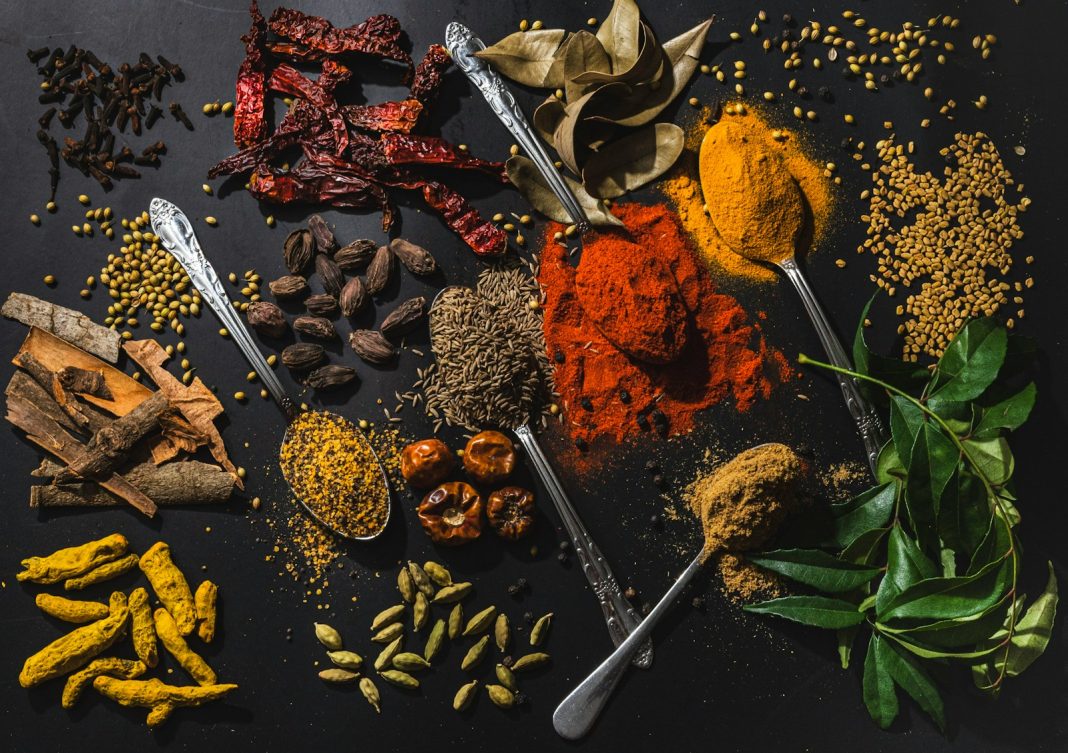
Cooking is one of the oldest and most universal art forms. Across centuries and continents, spices have shaped the stories of civilizations, connected cultures through trade, and turned simple meals into masterpieces of flavor and aroma. For beginners stepping into the world of cooking, spices can seem both magical and intimidating—tiny jars filled with mysterious powders and seeds that hold the power to completely transform a dish. Yet, once you learn to understand their personalities and how to use them, spices become your most trusted companions in the kitchen. They don’t just make food taste better—they tell stories, evoke memories, and add identity to every bite.
The Language of Spices
Spices are the language through which cuisines communicate. Think of Indian curry’s golden hue, Moroccan tagines perfumed with cinnamon and cumin, or the fiery depth of Mexican mole. These flavors don’t happen by accident; they are the result of generations learning how certain spices harmonize. When you start using spices in your own cooking, you begin to speak that global language of flavor.
At its heart, spice use is about balance. Spices can be warming or cooling, earthy or bright, sweet or pungent. Some, like cumin or turmeric, are grounding and robust, while others, such as cardamom or coriander, bring freshness and subtle perfume. Learning to balance these qualities is what separates a good cook from a great one. The journey begins by getting to know a few essentials and learning how they interact with each other.
The Essential Starter Spices
For beginners, it’s wise to start with a modest collection—spices that are versatile, easy to find, and widely used in various cuisines.
Cumin is often the foundation of many savory dishes. Its nutty, earthy aroma forms the backbone of Indian curries, Mexican chili, and Middle Eastern stews. Toasting cumin seeds before grinding or adding them to hot oil releases their deep fragrance, instantly transforming the character of a dish.
Turmeric, known for its vivid golden color, adds warmth and subtle bitterness. Beyond its flavor, turmeric is valued for its health benefits—it’s a powerful anti-inflammatory and antioxidant. A small pinch can turn rice, soups, or even roasted vegetables into something vibrant and healing.
Coriander is gentle and versatile, offering a citrusy sweetness that balances stronger spices. The seeds and the ground form both work well in spice blends or as finishing touches. Paired with cumin, coriander brings harmony to both vegetarian and meat-based dishes.
Paprika, made from ground red peppers, comes in sweet, smoky, or hot varieties. It’s the essence of Spanish and Hungarian cooking, adding not just color but a soft, smoky complexity to stews, marinades, and roasted meats.
Black pepper, though often overlooked, is one of the most universal spices. Freshly ground, it adds sharpness and depth that salt alone cannot achieve. In fact, pepper is often considered the “king of spices” because of its ability to elevate even the simplest dishes.
These five spices form the base of countless recipes and are excellent for beginners. Once you become comfortable with them, you can begin to explore more adventurous ones—like cardamom, cinnamon, cloves, or chili powders—that expand your cooking repertoire.
The Art of Combining Flavors
Using spices isn’t just about sprinkling a bit of powder into your pot—it’s about building layers of flavor. One of the most important lessons in cooking with spices is learning how and when to add them.
When you add spices to hot oil or butter at the start of cooking, you awaken their essential oils and deepen their aroma. This technique, common in Indian and Middle Eastern cooking, is known as “blooming” or “tempering” spices. On the other hand, adding spices near the end of cooking preserves their brightness and subtlety, ideal for herbs like coriander or dill.
Think of spices as musical notes—you can create harmony by pairing complementary tones or create contrast by adding something unexpected. For example, cinnamon and chili may sound unusual together, yet they work beautifully in Mexican mole or Moroccan tagines, creating a rich, sweet-heat complexity. Similarly, cumin and coriander provide an earthy foundation for almost any dish, while ginger and garlic add sharpness and freshness.
Experimentation is key. Start small; spices are powerful, and too much can easily overwhelm a dish. Over time, your palate will learn to recognize balance instinctively—the way certain flavors bloom together, the way a bit of acid or sweetness can highlight a spice’s character.
Global Inspirations: How Cultures Use Spices
Every culture has its own spice signature—a blend that defines its cuisine’s identity. In India, spices are treated almost spiritually, with each region boasting its own unique blends such as garam masala in the north or mustard-seed-based curries in the south. In contrast, Mediterranean cooking relies on simpler combinations, letting herbs like oregano, rosemary, and thyme share space with spices such as paprika and saffron.
In the Middle East, sumac, with its tangy, lemony flavor, and za’atar, a blend of thyme, sesame, and sumac, create dishes bursting with brightness. Latin American cuisines celebrate the boldness of chili, cumin, and cinnamon, while East Asian dishes rely on five-spice powder, combining sweet, savory, and aromatic notes into one balanced blend.
Exploring how different cultures use spices opens your senses to new possibilities. You begin to understand that spices are not rigid—they travel, adapt, and evolve, just as people do. A simple lentil soup can become Moroccan with a dash of cumin and cinnamon, or Mexican with chipotle and lime. Once you start to experiment, you realize that cooking with spices is less about rules and more about creativity and intuition.
Transforming Simple Ingredients into Culinary Magic
One of the greatest joys of learning to use spices is discovering how they can turn the most humble ingredients into something extraordinary. A simple potato dish, when flavored with turmeric, cumin, and mustard seeds, becomes an aromatic Indian aloo curry. A bowl of rice transforms into Spanish paella with saffron and smoked paprika. Even plain roasted chicken takes on a whole new personality when rubbed with a mix of paprika, garlic, and thyme.
Spices invite you to see food not just as nourishment but as a form of expression. You can tell a story through the flavors you create. A pinch of cinnamon might remind you of winter mornings; a whiff of cardamom might evoke memories of coffee and conversation. Cooking with spices allows you to travel the world without leaving your kitchen—it’s a sensory passport to global culture.
The Emotional and Cultural Connection
Beyond taste, spices carry emotion. They connect us to our roots and traditions. For many, the scent of cumin sizzling in oil or cinnamon in warm milk is a nostalgic reminder of home. For others, discovering a new spice can feel like meeting a new friend—something that expands your understanding of the world.
Throughout history, spices were prized as treasures—traded, fought over, and revered. The ancient spice routes connected continents and gave rise to exploration, cultural exchange, and culinary innovation. When you cook with spices today, you’re part of that living history, carrying forward a tradition that has shaped human civilization for millennia.
A Beginner’s Path Forward
For beginners, the best way to grow comfortable with spices is to start small and stay curious. Choose one new spice every few weeks and build dishes around it. Smell it, taste it raw, toast it lightly, and note how its flavor changes. Keep a small notebook to jot down what combinations you love most—your own evolving language of flavor.
Try making your own spice blends once you feel confident. A homemade curry powder or taco seasoning not only tastes fresher than store-bought but also allows you to tailor flavors to your liking. Understanding spices isn’t about memorizing recipes; it’s about learning how they behave and how they make you feel.